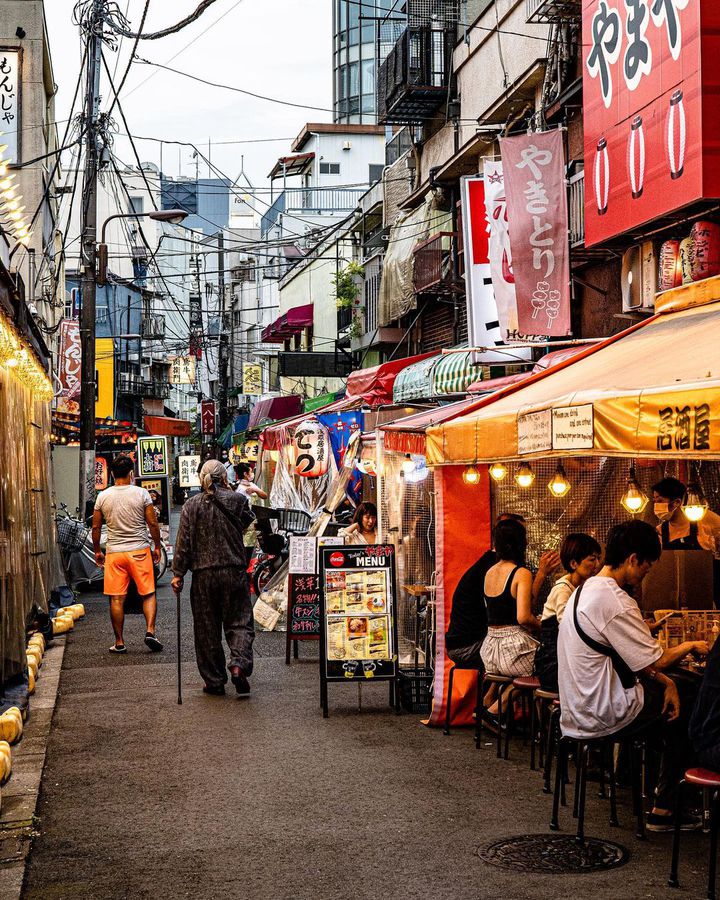
The rules are easier than they look.
Izakaya are one of the best ways to experience a normal night out in Tokyo. The problem is that small differences — an automatic appetizer, a time limit, a one-drink rule or an unfamiliar ordering system — can make first-time visitors wonder whether they are doing something wrong. Most of the time, you are not. Here is how it actually works.
What exactly is an izakaya?
Think of it as a Japanese drinking-and-dining place rather than simply a bar. People usually order drinks alongside several small or shared dishes, and the night often unfolds one order at a time instead of around a single main course.
What is otoshi — and is it a scam?
Otoshi is a small appetizer that may arrive automatically after you sit down. At many izakaya it works together with a small table or cover charge, so it can surprise visitors who did not order it.
Do you have to order a drink?
There is no single rule for every izakaya. Some restaurants expect each guest to order at least one drink, while others are completely comfortable with soft drinks or alcohol-free options.
How do you call the staff?
A simple “Sumimasen” — excuse me — is enough in a traditional izakaya. Many newer places also use call buttons, tablets or QR ordering, so look around the table before trying to get someone’s attention.
Do you tip in Japan?
In ordinary Japanese restaurants, tipping is not part of the custom. The amount on the bill is normally what you pay, including any listed table charge or service-related fee.
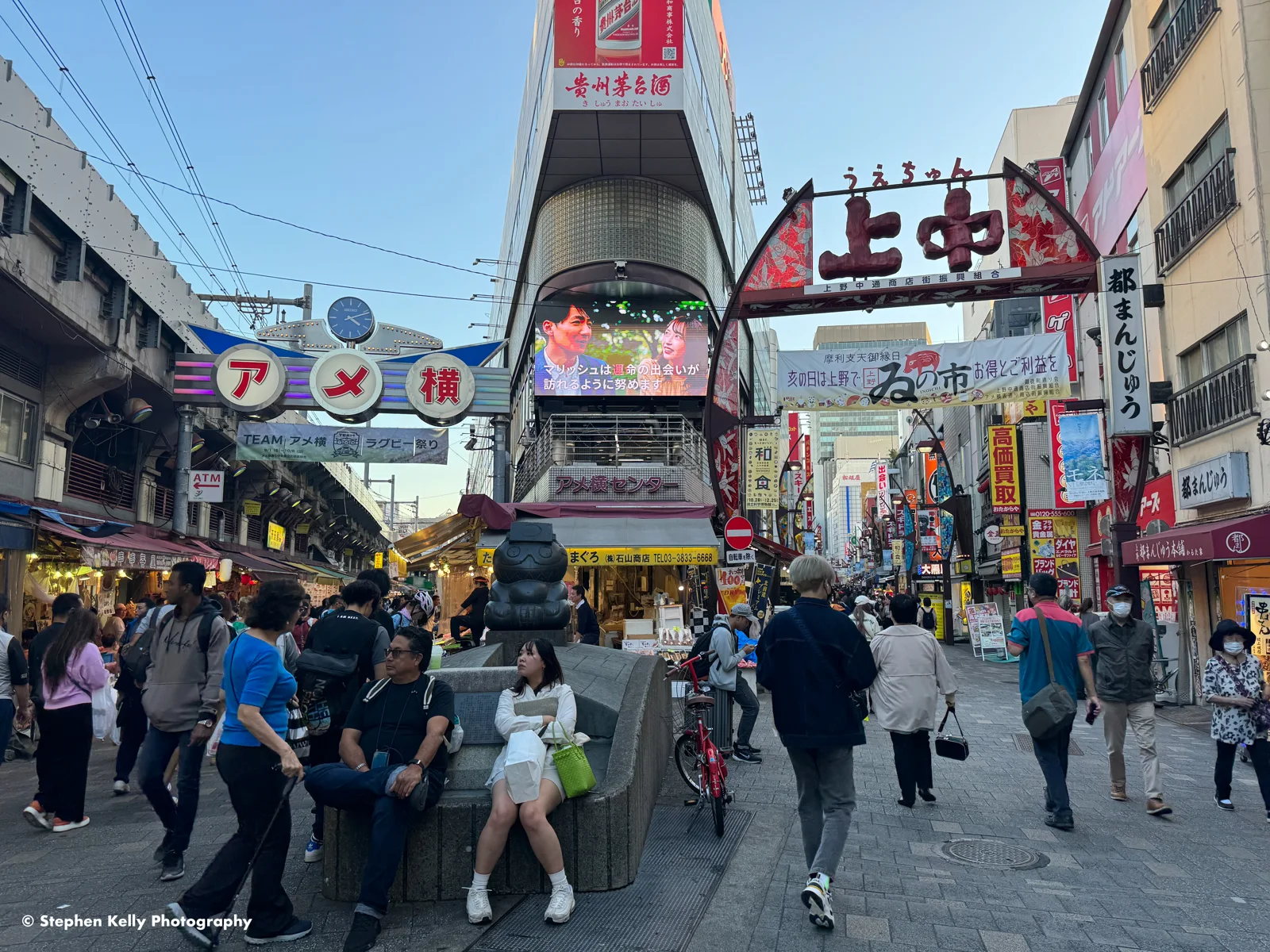
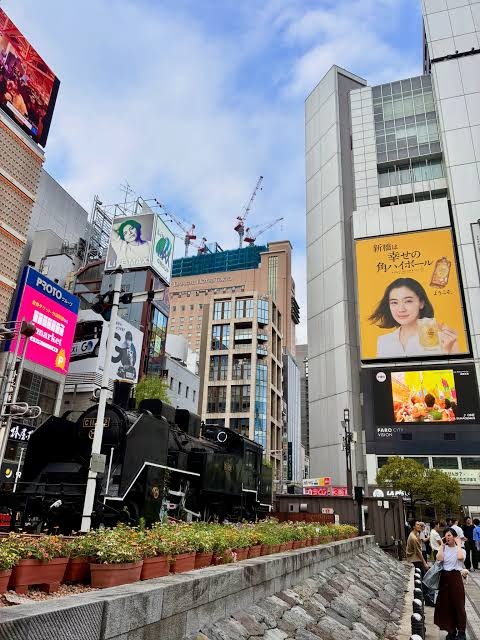
Start with a neighborhood that matches your night.
How do you order when there is no English menu?
A Japanese-only menu looks intimidating, but it is usually manageable. Photo menus, translation apps, camera translation and pointing all work surprisingly well, and staff are used to customers asking simple questions.
What should you order first?
Start with something fast. Edamame, chilled tofu, pickles, sashimi or a simple appetizer can arrive while grilled and fried dishes are being prepared.
Yakitori vs yakiton — what’s the difference?
Yakitori is mainly grilled chicken on skewers. Yakiton is grilled pork, often including different cuts and offal. They can look similar on a menu, but the flavor and texture are very different.
Can you go to an izakaya alone?
Absolutely. Counter seats are common, especially at old-school izakaya and yakitori shops, and solo customers are a normal sight after work.
Are private rooms worth booking?
For dates, business dinners or small groups, yes — but “private room” can mean different things. Some are fully enclosed rooms with doors; others are booths separated by partitions or curtains.
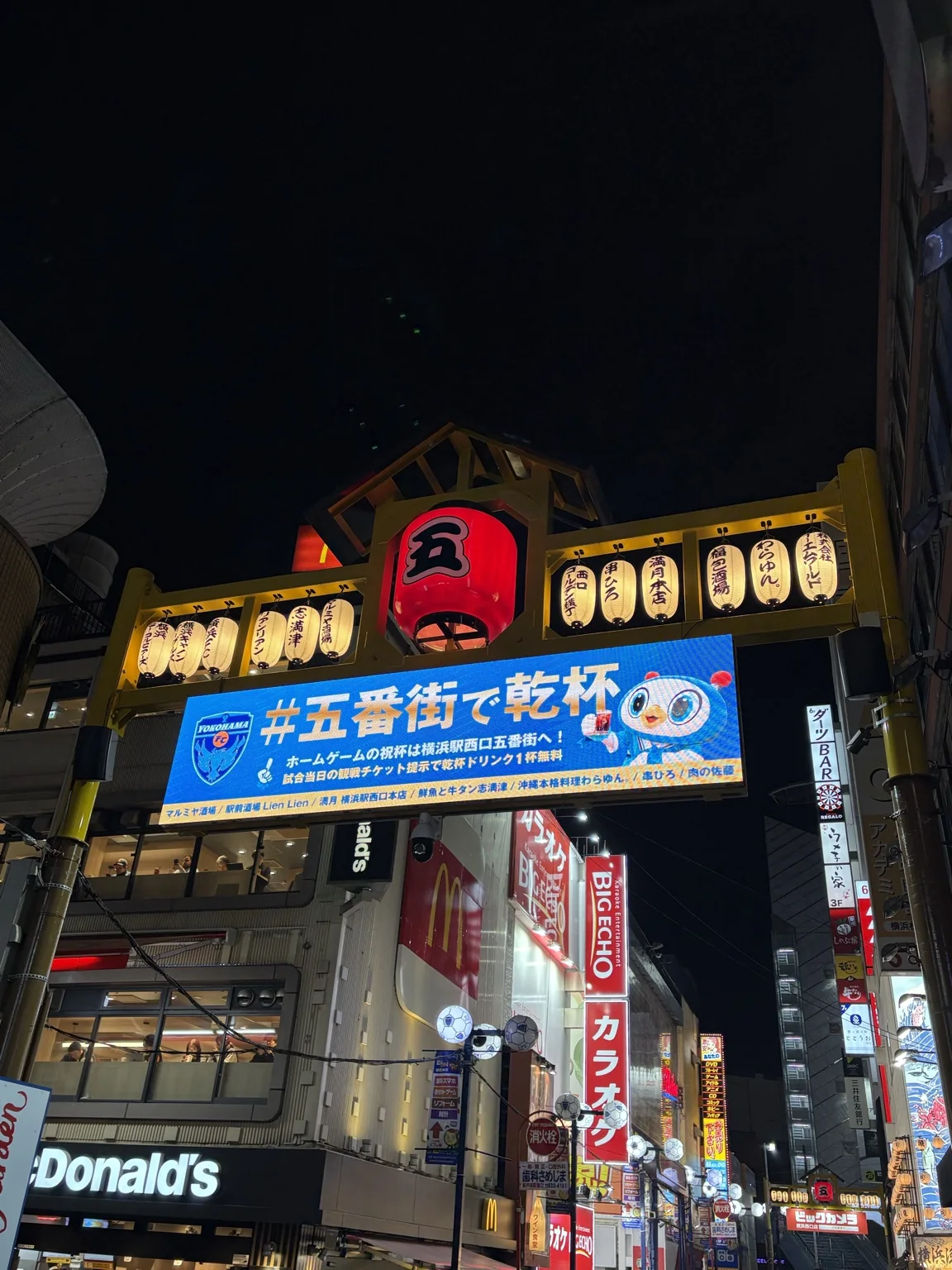
Going out somewhere else?

Can non-drinkers go to izakaya?
Yes. Izakaya are food destinations too, and most have tea, soft drinks and alcohol-free options. The main thing to watch is whether the restaurant has a one-drink-per-person or course rule.
What does all-you-can-drink actually mean?
Nomihodai means all-you-can-drink for a fixed period. The exact drinks, time limit, last-order timing and whether everyone in the group must choose the plan depend on the restaurant.
Why do some izakaya have time limits?
Busy izakaya may limit tables so they can serve another group later in the evening. The rule is especially common on Friday nights, weekends and during peak seasons.
How late can you drink — and what about the last train?
Tokyo has plenty of late-night izakaya, but the trains do not run all night. Closing times vary widely by neighborhood and by day, so the real deadline is often your last train rather than the restaurant’s closing time.
How to tell a real local izakaya from a tourist trap
A local izakaya does not need to look old or have only Japanese customers. What matters more is transparent pricing, a clear menu, visible charges and a restaurant that lets you decide without pressure.
Tokyo izakaya questions travelers ask all the time
Can tourists enter a local izakaya?
Usually, yes. Some very small shops may have limited seating or language support, but being a tourist does not stop you from enjoying an izakaya.
Do izakaya take credit cards?
Many do, but not all. Carrying some cash is still useful, especially at small or older restaurants.
Is an izakaya only for people who drink alcohol?
No. Food is a major part of the experience, and most restaurants offer non-alcoholic drinks. Just check any minimum-order rule.
Do I need a reservation?
Not always, but Friday nights, popular restaurants and private rooms are much easier with a reservation.
Ready to try a real izakaya?
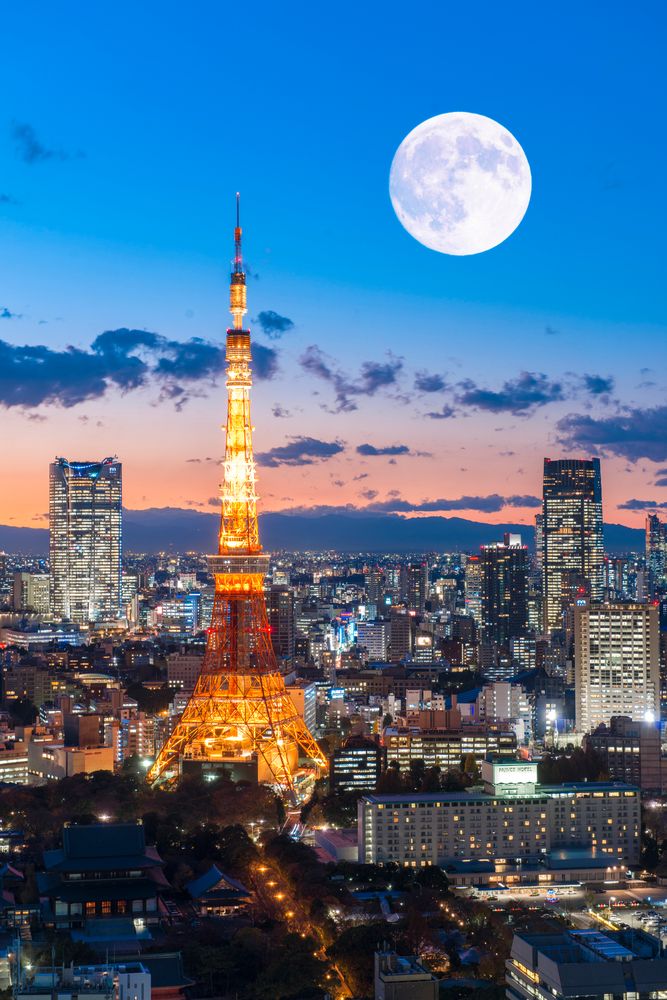 GREATER TOKYOGreater Tokyo Izakaya GuideExplore firsthand English guides for Ueno, Yurakucho, Shimbashi, Shibuya and Yokohama.VIEW ALL →