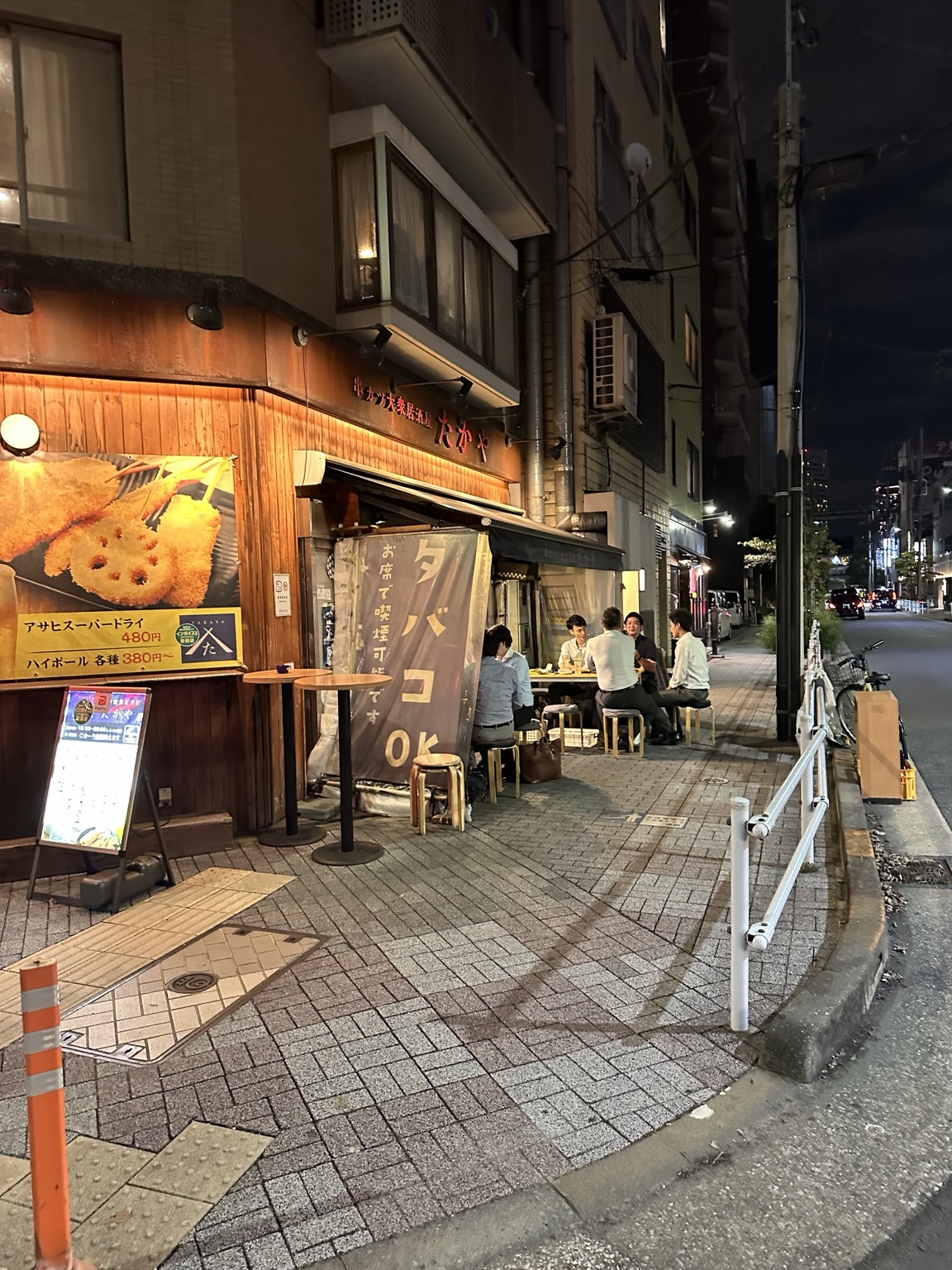
Stack three or four signals together and tourist-focused restaurants become much easier to spot.
I check Google reviews, prices, overseas-facing marketing and the actual customers inside before I sit down. When you eat out around 300 days a year, you get used to the difference between a place locals use and a place designed primarily for visitors. I want travelers to know what I look for.
If the Google reviews are almost all in English, I’m suspicious.
Google reviews are one of the first things I check. If a Tokyo restaurant’s recent reviews are overwhelmingly in English and Japanese reviews are strangely scarce, I do not trust the rating. In my experience, pages like that are often padded with reviews that look planted, and I treat them accordingly.
Check the prices before you sit down. If you can’t see them, don’t go in.
This is the simplest check and one of the most useful. Look at the prices of the drinks and main dishes at the entrance or on the menu before taking a seat. Restaurants charging a tourist premium are often easy to spot once you compare a few ordinary items. There is no reason to sit down before you know the price range.
I’m wary of restaurants built almost entirely around overseas marketing.
The places I avoid are the ones where the storefront, website and marketing are all aggressively aimed at overseas visitors, the dining room is almost entirely tourists, and the prices are high. When all of those signals line up, I see a business prioritizing visitor spending over repeat local customers.
Otoshi is not a scam. It is normal izakaya culture.
At many Japanese izakaya, a small dish called otoshi arrives automatically and the charge works much like a seating or cover charge. This is a normal part of eating at izakaya in Japan. Do not mistake otoshi itself for a tourist scam.
Read the 15-rule guide before your first night out.
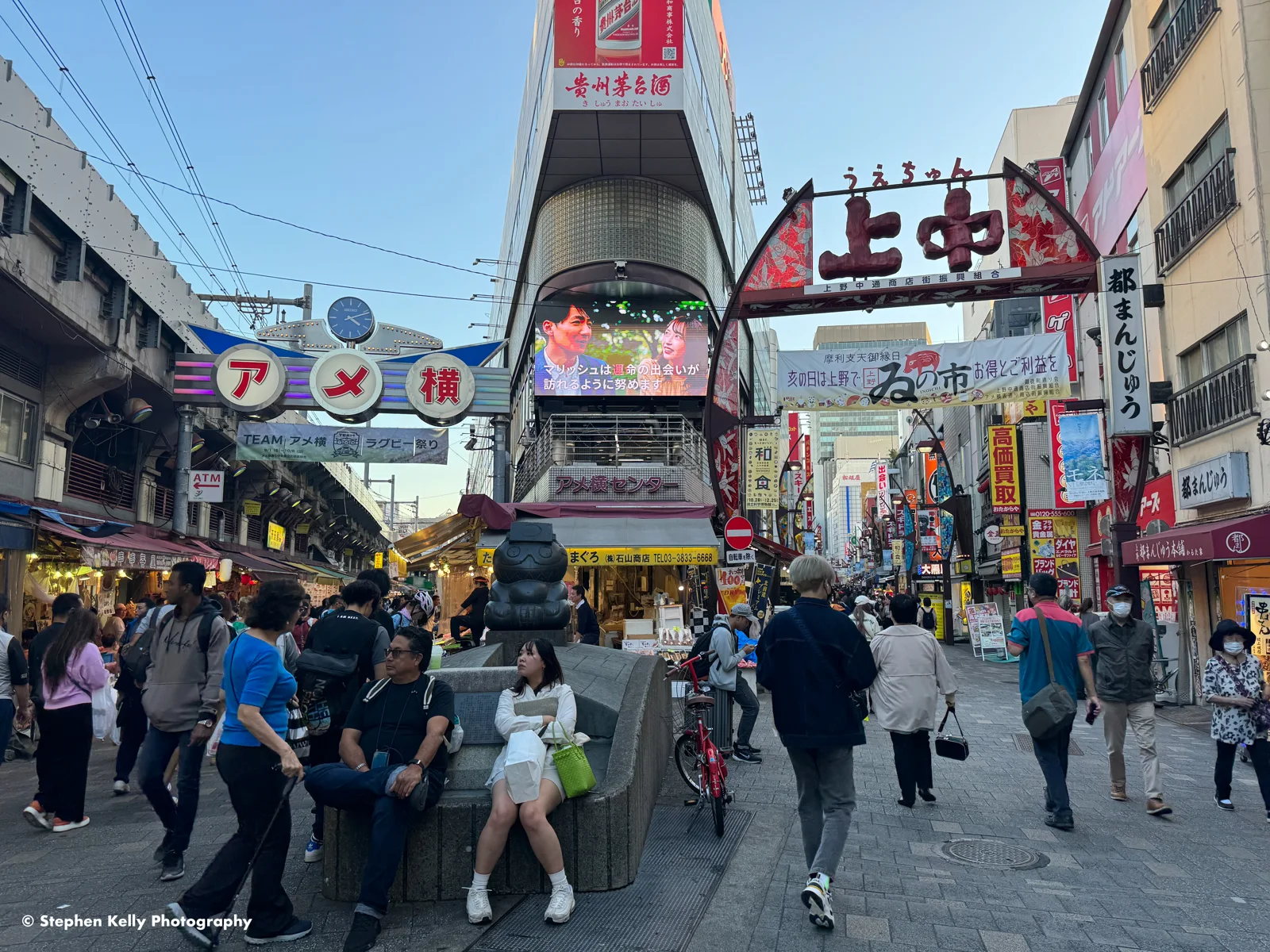
Signature dishes and basic drink prices tell you what kind of restaurant you are in.
A set-menu price by itself does not tell you much. I look at the restaurant’s signature dish and then check basic drinks like draft beer or a highball. A place adding a heavy visitor premium usually becomes obvious once you compare those prices.
Read the newest reviews. I don’t trust an old reputation.
Restaurants change. A place that was excellent years ago can change its food, prices or management. That is why I care more about the last few months than the lifetime average score.
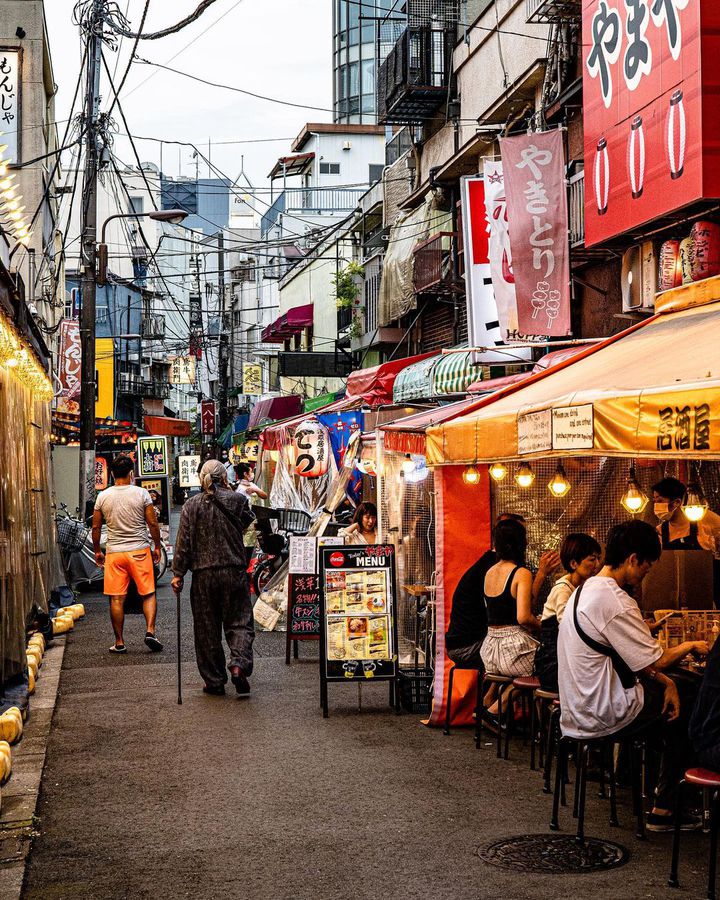
Don’t stop at the main street. Look one or two streets over.
In Tokyo, the customer mix can change completely between a busy station-front street and the lane right behind it. Walk a little away from the most obvious tourist strip and you often start seeing the places office workers and local regulars use every night.
If there are barely any Japanese customers inside, I don’t go in.
After-work groups, solo drinkers at the counter and obvious regulars are the kinds of everyday local signals I look for. If I am standing outside a normal Tokyo restaurant and almost every customer is an overseas tourist, I take that as my cue to move on.
Do not treat an ad or sponsored “best restaurant” list as the answer.
Travel sites, social media and influencer posts are full of advertising and PR. Do not assume a restaurant is genuinely great just because somebody calls it “recommended.” Look at who chose it, what their criteria were and whether money is behind the recommendation.
I want you to taste the real food of Japan. I do not want you to walk into some bad restaurant by accident and leave thinking, “So this is the quality of Japanese food.” That is why I made this site.
Questions travelers ask when trying to avoid tourist traps in Tokyo
Should I avoid every restaurant with an English menu?
No. An English menu by itself does not bother me. I avoid places where overseas-facing marketing, an almost entirely foreign customer base, high prices and English-review bias all show up together.
Is otoshi a tourist scam?
No. Otoshi and seating charges are normal parts of izakaya culture in Japan. What I watch for is an unclear fee structure or a charge that does not match what was explained.
Are restaurants in tourist districts all bad?
No. Tokyo’s major visitor areas still have excellent restaurants. I judge the restaurant itself — the prices, reviews, customer mix and the way it markets itself.
What if I run into a serious billing problem?
Keep your receipt and payment records. If you believe you have been hit with a serious overcharging scam, contact the appropriate police or visitor-assistance service rather than trying to settle a major dispute on your own.
Keep going
 TOKYO IZAKAYA GUIDE
15 Izakaya Rules Tourists Should Know
Otoshi, ordering, tipping, nomihodai, time limits, last trains and more.
READ THE GUIDE →
TOKYO IZAKAYA GUIDE
15 Izakaya Rules Tourists Should Know
Otoshi, ordering, tipping, nomihodai, time limits, last trains and more.
READ THE GUIDE →
 GREATER TOKYO IZAKAYA GUIDE
Explore the English Guide Hub
Firsthand guides to Ueno, Yurakucho, Shimbashi, Shibuya, Yokohama and more.
VIEW ALL ENGLISH GUIDES →
GREATER TOKYO IZAKAYA GUIDE
Explore the English Guide Hub
Firsthand guides to Ueno, Yurakucho, Shimbashi, Shibuya, Yokohama and more.
VIEW ALL ENGLISH GUIDES →